سیستمهای شکافنده سنگ هیدرولیک برای شکستن کنترلشده سنگ
سیستمهای شکافنده سنگ هیدرولیک برای شکستن کنترلشده سنگ
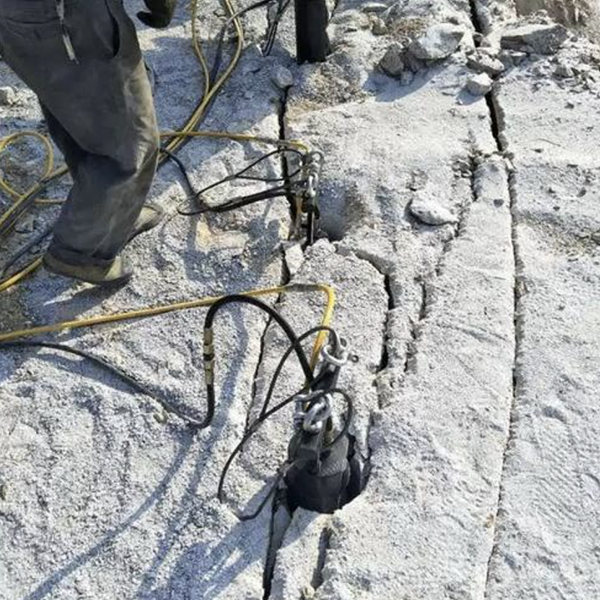
Hydraulic rock splitters are mechanical rock-breaking tools used in mining, quarrying, road construction, foundation excavation, demolition, and other projects that require controlled separation of rock or concrete. Rather than relying on conventional explosive blasting, the equipment applies hydraulic force through a purpose-designed splitting assembly to initiate and extend fractures in the material.
For contractors, the key benefit is not simply the tool itself. The value comes from selecting an appropriate method for the rock conditions, excavation volume, access limitations, environmental restrictions, equipment availability, and required work-zone controls.
Typical Applications
Hydraulic rock-splitting equipment may be considered for:
Controlled quarry and mine development
Road, rail, and slope excavation
Foundation pits and basement rock removal
Demolition and concrete separation
Secondary breaking of oversized material
Projects near buildings, utilities, or sensitive equipment
Work zones where conventional blasting is restricted or unsuitable
The right application depends on the specific project. Large-volume extraction may favor other methods because of production scale, while a confined or environmentally sensitive work zone may prioritize control and lower disturbance.
Equipment Selection and Project Planning
Hydraulic splitters can be used as standalone tools or as part of a broader equipment arrangement. Some project teams evaluate attachment-based solutions that allow compatible machinery to support more than one task. This can improve equipment utilization in certain civil, mining, and infrastructure projects.
However, equipment selection should be based on more than purchase price. A complete evaluation should consider:
Rock hardness and fracture condition
Excavation geometry and available free faces
Access for machinery and support equipment
Required productivity and schedule
Site noise, vibration, dust, and environmental requirements
Operator competency and maintenance resources
Applicable safety rules, permits, and supervision requirements
Yantai Gaea can support early technical discussions to help contractors compare hydraulic splitting with other controlled rock-breaking methods.
Comparing Hydraulic Splitting with Other Methods
Hydraulic rock splitters may be evaluated alongside mechanical breakers, static splitting agents, gas-expansion technologies, and conventional drilling-and-blasting methods. No single technology is automatically best for every project.
A hydraulic approach may be attractive where a project needs controlled fracture development and careful site management. On the other hand, productivity can vary significantly with rock mass quality, excavation sequence, equipment compatibility, and the ability to organize supporting work efficiently.
به همین دلیل، یک ارزیابی عملی باید کل هزینه پروژه را به جای فقط قیمت تجهیزات مقایسه کند. حفاری، نیروی کار، زمان ماشینآلات، حمل و نقل، نگهداری، نظارت، رسیدگی پس از استراحت و برنامه زمانی همگی مهم هستند.
ایمنی و انطباق
سنگشکنهای هیدرولیکی شامل تجهیزات با نیروی بالا هستند و فقط باید توسط پرسنل آموزشدیده و مجاز مورد استفاده قرار گیرند. نصب، بازرسی، بهرهبرداری، نگهداری و مدیریت شرایط غیرعادی باید مطابق با اسناد رسمی سازنده، طرح ایمنی پروژه مصوب و مقررات محلی باشد.
قبل از شروع کار، تیمها باید سازگاری تجهیزات، الزامات ایزولاسیون محل، نظارت شایسته، تمهیدات اضطراری و الزامات ایمنی شغلی مربوطه را تأیید کنند. یک روش کنترلشده برای سنگتراشی میتواند برخی از تأثیرات پروژه را کاهش دهد، اما نیاز به بررسی دقیق مهندسی و مدیریت ایمنی محل را از بین نمیبرد.
یانتای گایا از رویکردی مبتنی بر پروژه پشتیبانی میکند: شناخت محل، ارزیابی روشهای موجود، انتخاب تجهیزات مناسب و اجرای کار تحت نظارت متخصص.